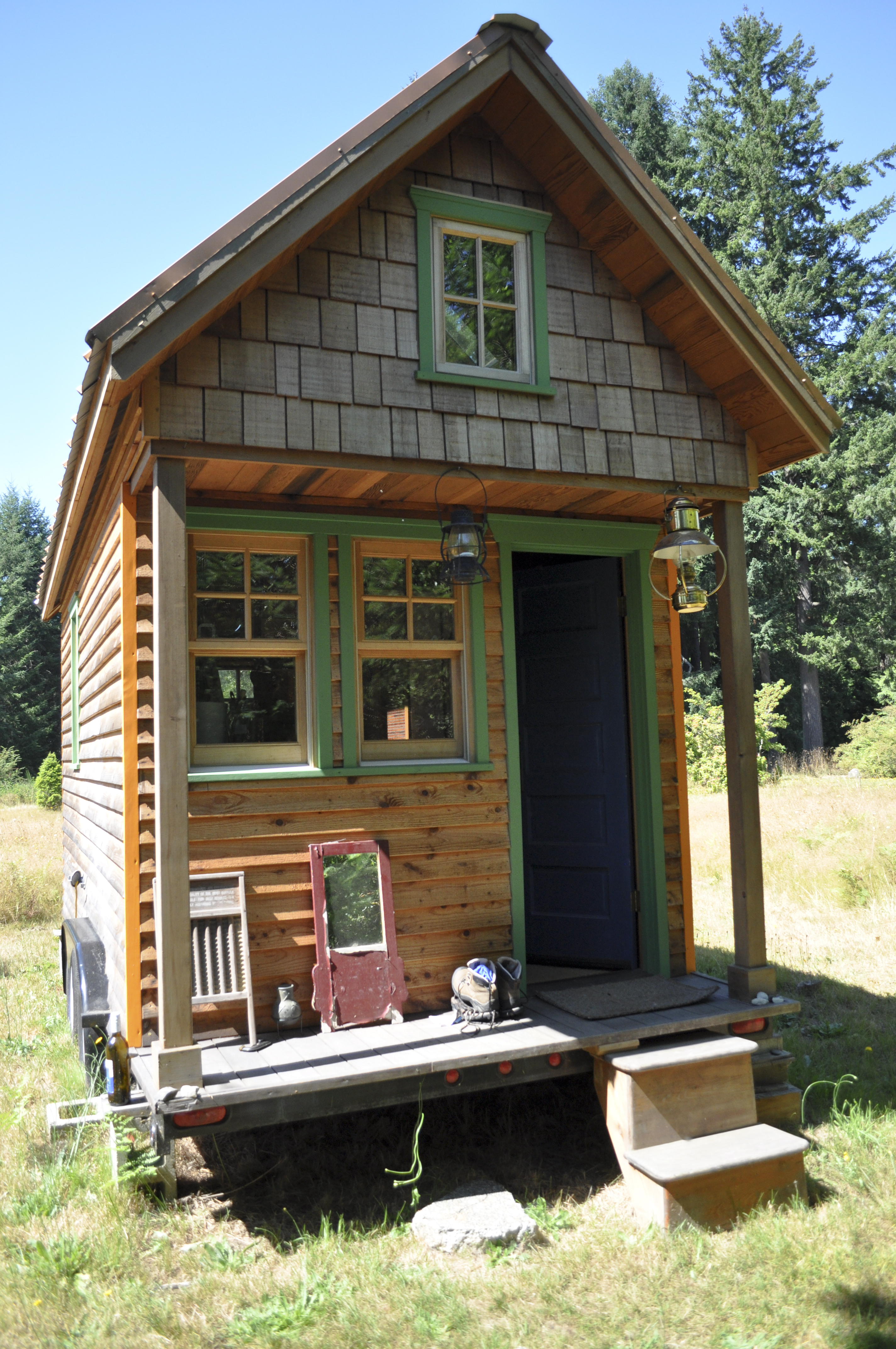
Planning
How to Plan a Tiny House in Canada
Site selection, building codes, foundation options, and the steps involved in taking a tiny house from concept to construction in Canada.
A reference on planning compact homes, selecting energy-independent systems, and navigating land-use rules in Canadian provinces.

Three focused areas: how to plan a tiny house build, how off-grid energy systems work, and what Canadian zoning regulations say about small dwellings.
Site selection, building codes, foundation options, and the steps involved in taking a tiny house from concept to construction in Canada.

Solar panels, battery banks, micro-wind, and propane backup — how to size and combine energy sources for year-round off-grid reliability in Canada.

How provincial and municipal zoning rules apply to tiny houses on wheels and on foundations, including ADU frameworks and rural land classifications.
Whether a THOW or permanent structure, the foundation type determines which building code applies and how the municipality classifies the dwelling.
Off-grid systems in Canada must account for seasonal variation. Solar output in December in Alberta differs significantly from British Columbia's coast.
Canada has no single national tiny house standard. Each province follows its own building code, and municipalities add further local rules on top.
Off-grid sites require independent water sourcing — drilled wells or rainwater collection — alongside composting toilets or septic systems approved by local health authorities.
Canadian winters require insulation values considerably higher than standard US recommendations. The National Building Code's Part 9 provides the baseline thermal envelope requirements.
Rural land classified as agricultural or resource use often prohibits residential dwellings unless a variance or rezoning is approved by the regional district.
Dexkormo is an independent reference on tiny house design and off-grid living in Canada. The content focuses on three interconnected subjects: how small dwellings are planned and built, how energy-independent systems are selected and sized, and how Canadian land-use regulations affect where and how tiny houses can be placed.
The articles draw on publicly available building codes, provincial land-use documents, and technical references from Canadian energy authorities. No content on this site constitutes legal, engineering, or financial advice.